IKEA, ING, Idealista and Good Rebels analyse at ESNE how UX design directly impacts business results
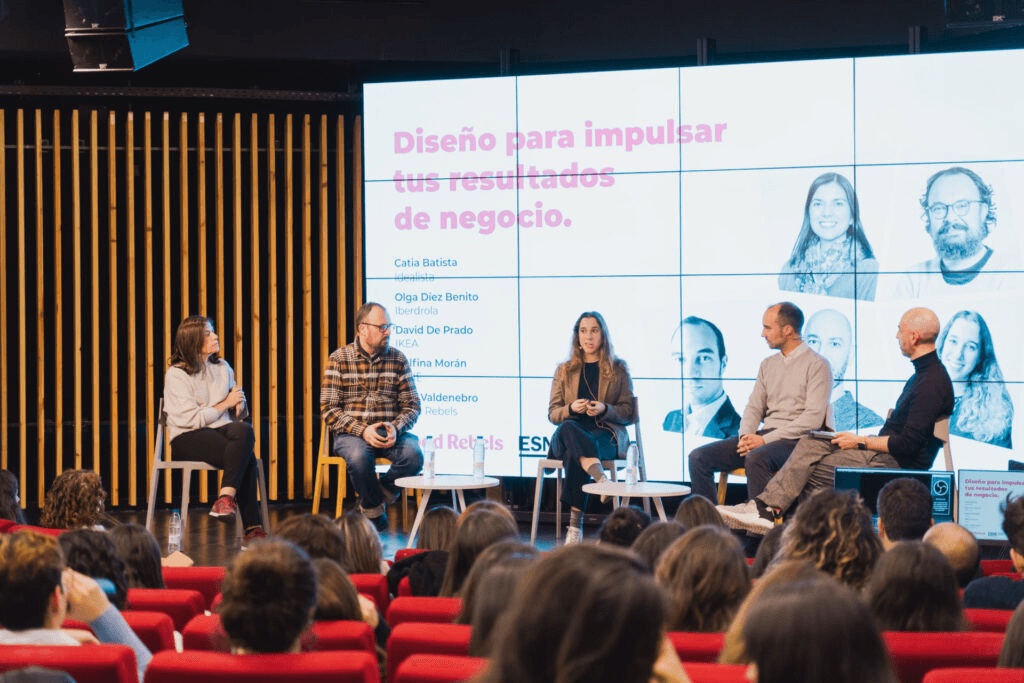
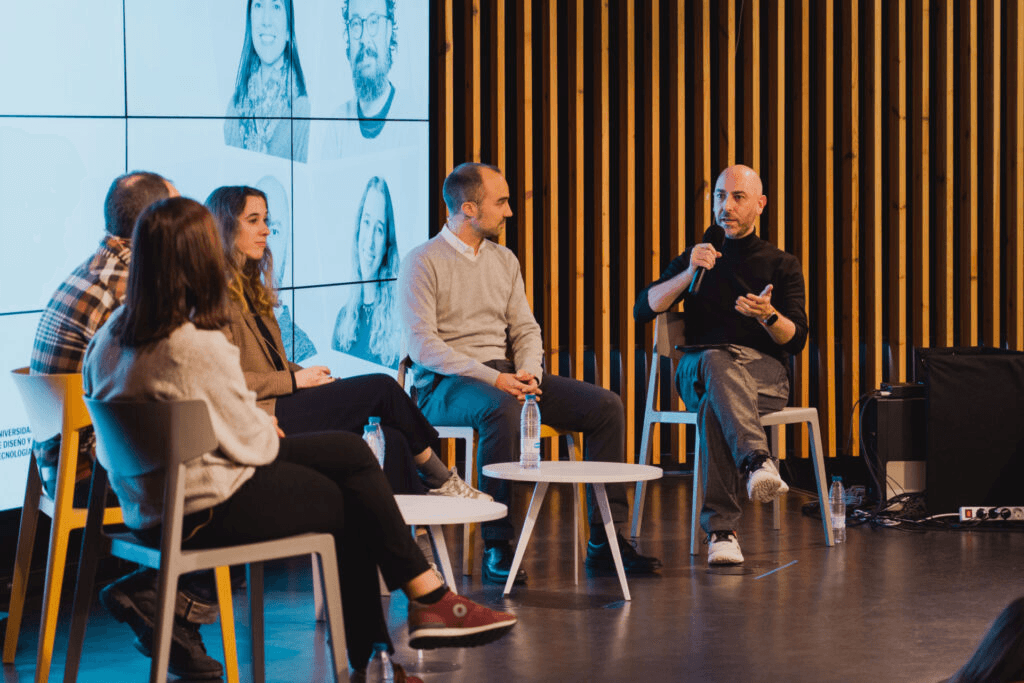
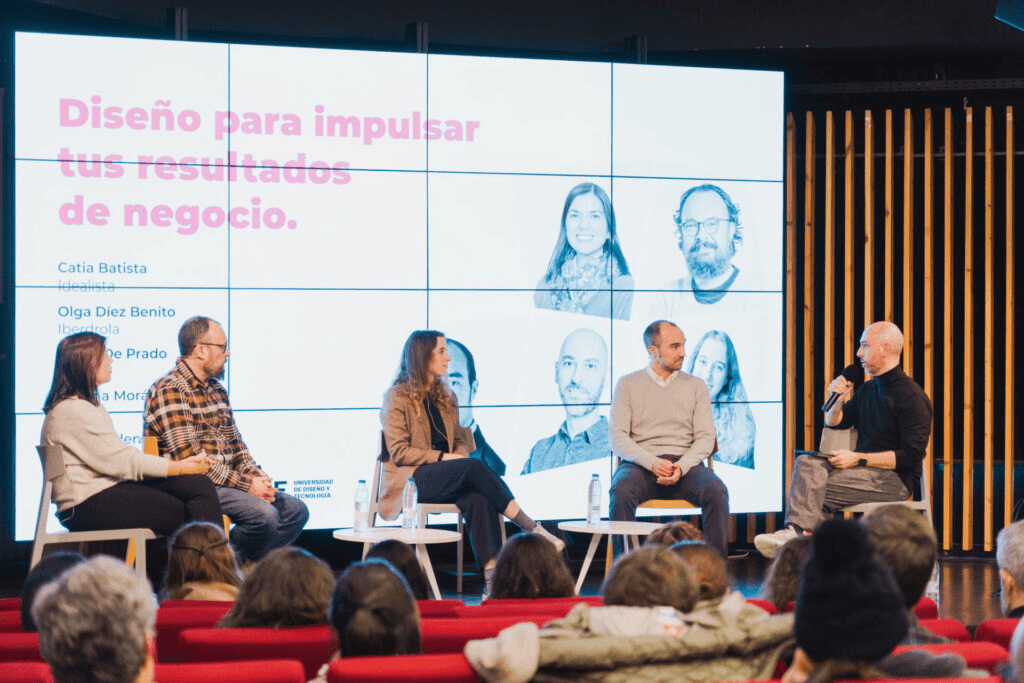
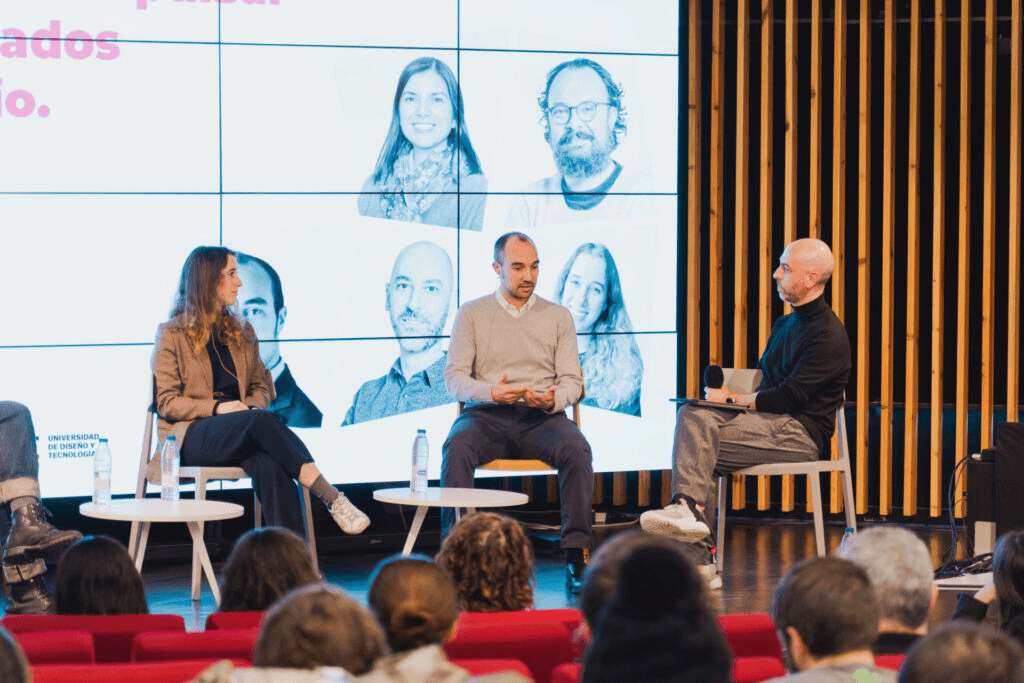
Good Rebels and ESNE organised an event led by Kike Valdenebro, Head of Design at Good Rebels, to discuss the impact of design and user experience (UX) on the business results of Spanish companies.
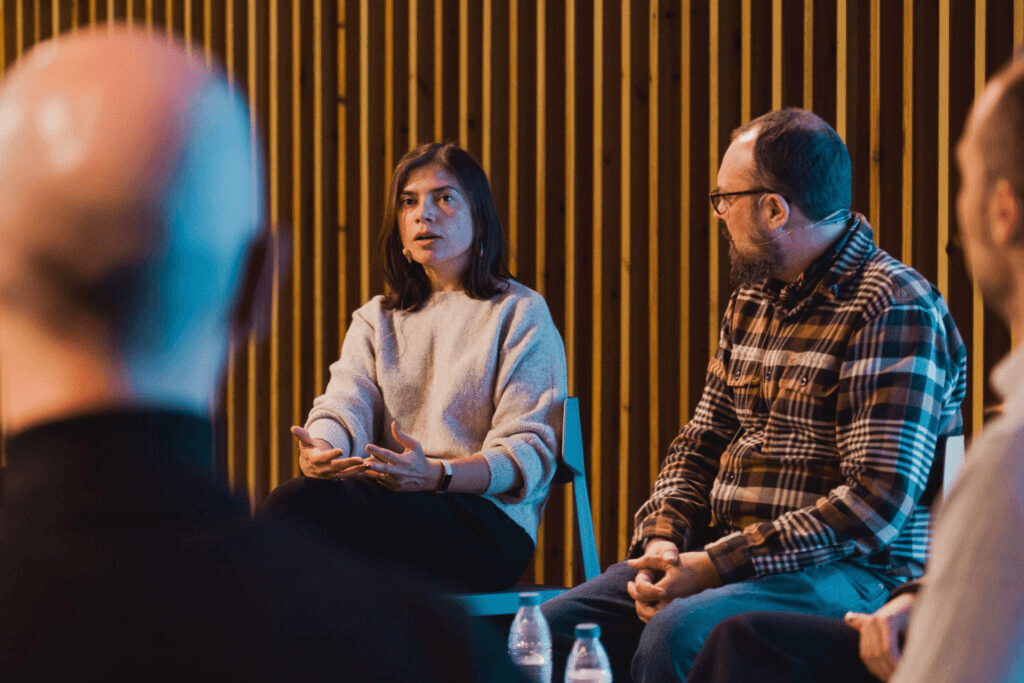
The meeting was held at the headquarters of the University of Design and Technology ESNE and was attended by design leaders from large companies such as IKEA, ING, Idealista and Iberdrola.
UX design as a competitive advantage
According to the Good Rebels study "UX to the point", user experience design is an opportunity to differentiate and achieve a real advantage over the competition. To do this, companies must focus on designing a careful experience at all points of contact as a key factor that influences how people perceive our brand.
"Companies that have further developed their design capabilities show higher annual growth, regardless of industry. UX design also helps us to anticipate errors through a better understanding of our customers and how they interact with our brand, while boosting process efficiency, and improving it will reduce costs. At the same time, it is a key tool for retaining customers through a positive experience adapted to their needs, and not so much with aggressive strategies for attracting and retaining them," says Kike Valdenebro, Head of Design at Good Rebels.
David de Prado,Global Design Manager at IKEA, also confirmed the value of design: "in strategic design, considering people's needs and their relationship with the company's activity and the economically viable product/service developed, guarantees a balance between profitability and design".
But introducing design in an organisation goes far beyond hiring designers (although it is a good first step). We are talking about generating a culture, a "UX vision" to achieve a total integration that makes the most of the discipline's methodologies (UX Research, design thinking, etc.). And this is a great challenge for many companies.
Olga Díez, Design Lead at Iberdrola,recalls that the first thing that struck her when she arrived at her company was that "there were not many areas that were called design or UX, but there were several departments and profiles that, without defining themselves as such, worked on user experience".
For her part, Catia Batista, Head of UX & Product at Idealista, confirmed that "the origin of my company is very 'user centric', fortunately, and it is up to us design profiles to ensure that this culture permeates and is taken care of in all teams, regardless of the company's growth".
Driving UX culture through training
Despite the benefits that UX design brings to companies, according to the Good Rebels report, 58% of design professionals work in separate departments and are not integrated with the rest of the organisation. Furthermore, 59% say that design teams are not consulted in a timely manner, even though designers should be involved from the early stages of conceptualising new products and services.
All this slows down the process of adapting user experience design methodologies in other departments, preventing the consolidation of a true user-centricculture in organisations.
The training programmes and methodologies used to integrate design into the DNA of the organisation "are essential and it is necessary to evangelise and force a real investment so that this vision permeates throughout the company", says Luis González Sotres, Innovation Product Owner at ING and professor of the UX Master's Degree at ESNE, University of Design and Technology.
However, he points out "that design experts also have the responsibility to share their knowledge and not isolate themselves in silos".
In this sense, Olga Díez from Iberdrola, explained that "every two months, on a recurring basis, we train the whole team because we must not forget that most of them are industrial engineers working in marketing. That's why it's important for them to be up to date, to know about new trends and to keep a close eye on what the competition is doing. We rely on our agencies to train us, advance trends and share what they are doing with other clients.
For her part, Catia Batista of idealista says that the company involves other departments that have specific information and that may or may not have daily contact with those who use its services in each country, so that, working collaboratively, they help in the design of the user experience. "This process is very valuable because it gets other departments outside the UX team to advocate for a user-centric process.
Cultural change: when business and design understand each other
Despite the evolution of design areas within companies and the value they bring to both users and companies, we still find that certain business mindsets conflict with design processes.
"Our experience from Good Rebels when we work with medium-sized organisations is that the design culture is not as well implemented. Notbetting on design and leaving users on the sidelines is a mistake that ultimately has an impact on the business, and many organisations, even today, do not have it internalised," confirms Valdenebro.
Luis González Sotres, Innovation Product Owner at ING and professor of the Master's Degree in UX at ESNE, believes that "when it comes to presenting new value propositions or new products or services, sometimes business units are very clear about what they want and the value that design brings is to find answers or paths that are far from these preconceived ideas. This implies trust and giving an opportunity to test and listen to customers. Living that journey very close to the user and observing, listening, understanding what opportunities may arise, is the beginning of generating those solutions".
Design departments have undergone a great evolution in recent years. In the beginning, design departments were in charge of making "pretty things". Later, they went on to design products and services tailored to the user, and finally they have acquired a "more liquid"function.
In the words of Kike Valdenebro, "although there are still design areas, they permeate the entire organisation, but the particular structure of each company is different. In some companies, there is a 'Chief Design Officer' who occupies an important position on the management committee; in others, each area or department has a UX designer or there is a large design area or 'hub' that serves all the needs of the organisation.
David de Prado, Global Design Manager at IKEA explained that "in my company we have a digital design area with one person in charge, with centres of excellence that facilitate knowledge sharing, operations, inclusive design, content and strategic design. We are organised in domains and sub-domains that correspond to business areas paired with product, engineering and data areas".
At idealista, "we started with a structure of designers by user segments and then moved on to a model in which one team supported the others. In recent years, the design profiles have once again been integrated into each team and some of the responsibilities they used to carry out (such as product management, research or data analysis) have been delegated to the new profiles that have been incorporated".
In turn, Luis González shared that at ING "we have a centre of excellence called Customer Obsession & Innovation where we bring together research, design of products, services and business models, user experience design and interaction design. Previously, these teams were decentralised and spread across the organisation and it was a natural fit to bring them together to collaborate and join forces".
In short, despite the existence of specialised design profiles in companies, great advantages can be generated when the UX vision is integrated into the business strategy and is considered in the decision-making process of the different departments.
Vision of the future of design
How do you see the future of design in the next 3 years?
Catia Batista, from Idealista, answers that the key will be to continue putting the user at the centre: "each company has its own vision. Ours is to continue investing heavily in solving the problems that we are detecting that our users have with different services. We prioritise and strive to listen to customers to identify problems and prioritise them".
For David de Prado of IKEA, "design with humility must have a multidisciplinary and creative approach, focused on the user. It needs to be strategic, in the sense of taking care of what is relevant, what adds value.
Olga Díez from Iberdrola says that in her company they are "focused on automating processes and gaining efficiency. Looking to the future, I believe that predictive mathematical models are going to have a great impact on the work that we will develop in the design areas".
Finally, Luis González Sotres of ING explains that in his case, in the coming years they will continue to focus on achieving greater efficiency: "In terms of UX design, we are thinking about how to reuse components, for example, using updated libraries that can be integrated into new digital products; or how to enrich these systems and adjust them to meet the demands of the products. We are also obsessed with driving greater autonomy and culture, and embedding innovation among all employees. It has always been our ambition to be more open and to be able to connect with third parties.
The discussion gave us deep insights into the integration of UX design in business. Over time we have witnessed a great evolution of UX design in business strategies, which will continue to advance as the level of UX maturity of each organisation grows. But for this user-centricvision to permeate every action, department and decision in the organisation, design specialists have a fundamental role and an undeniable responsibility.